
 Amp and Cabinet Cases
 Camera Cases
 Guitar Cases
 Keyboard Cases
 Desktop PC Cases
 Mixer Console Cases
 Pedal Boards
 TV / LCD Screen Cases
 Drawer Cases and Workstations
 Lighting Cases
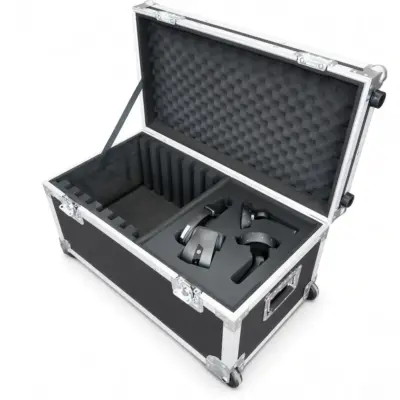 Laptop, Tablet & iPad Cases
 Equipment Packer Cases
 Speaker Cases
 Server Rack Cases
 Projector Cases
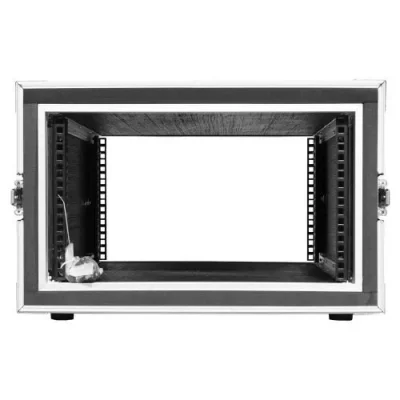 Full Depth Racks
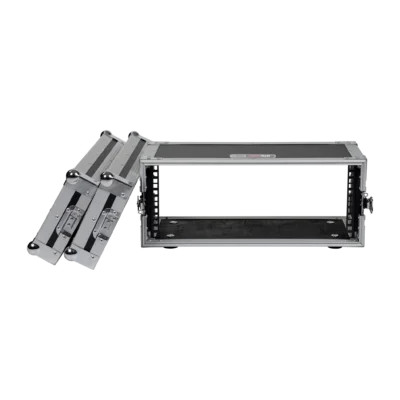 Short Depth Racks
 Mixer Racks
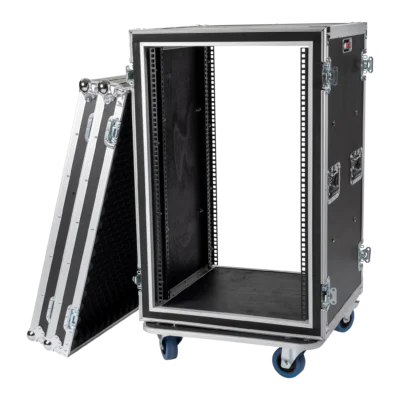 Shockproof Racks
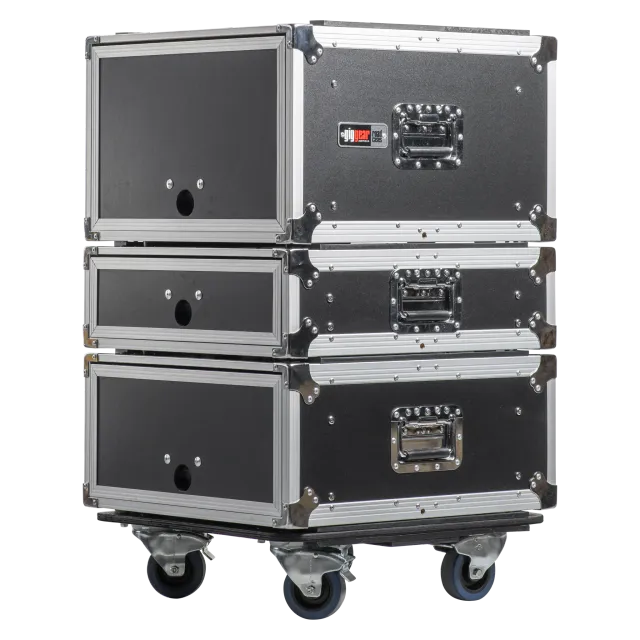 Stackit Rack
 Rack Accessories
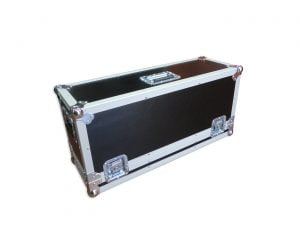 Amplifier Cases
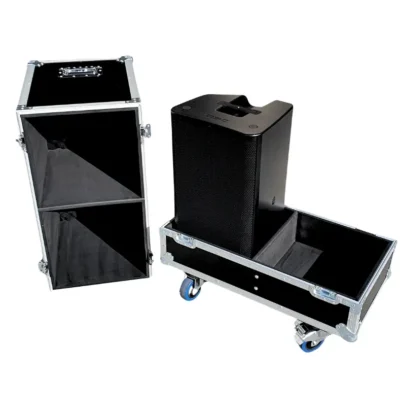 Speaker Cases
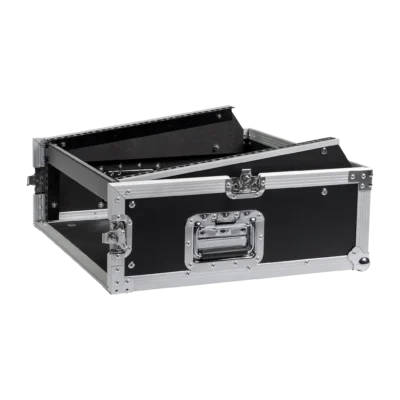 Mixer Console Cases
 Guitar Flight Cases
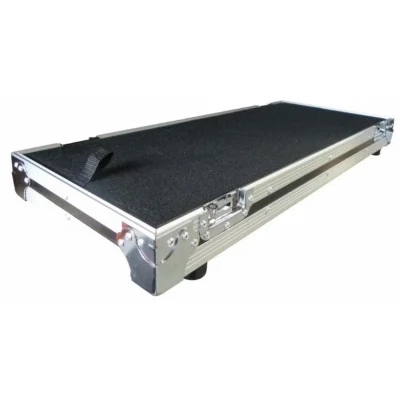 Pedalboard Cases
 Microphone Cases
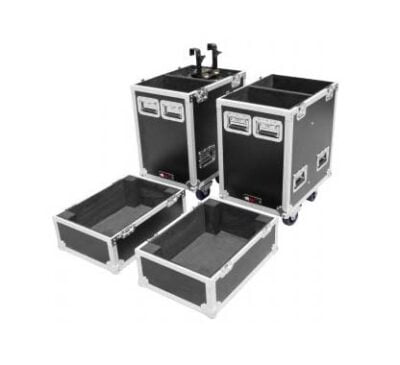 Lighting Cases
 TV Screen Cases
 Computer & IT Cases
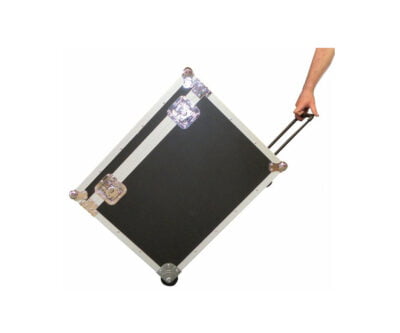 Equipment Packers
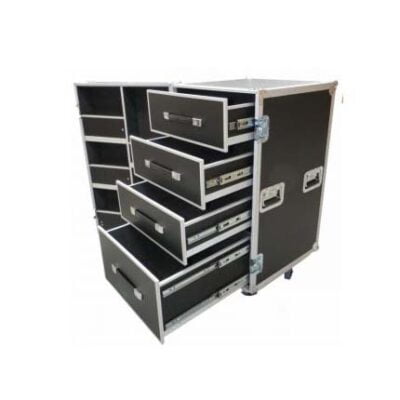 Drawer Cases & Workstations
 Heavy Duty Briefcases
 Electric Guitar
 Acoustic Guitar
 Bass Guitar
 Keyboard Cases
 Drums & Hardware
 Band and Orchestra
 Banjo, Ukulele & Mandolin
 Plastic Rack Cases
 Shallow Racks
 19" Shock Mount Racks
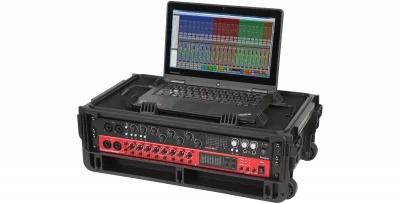 Fly Racks
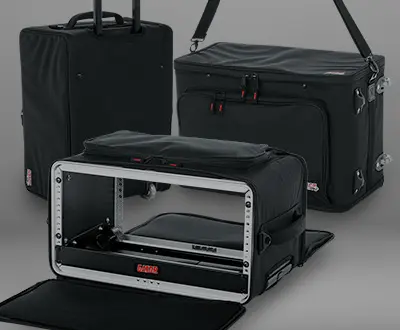 Rack Bags
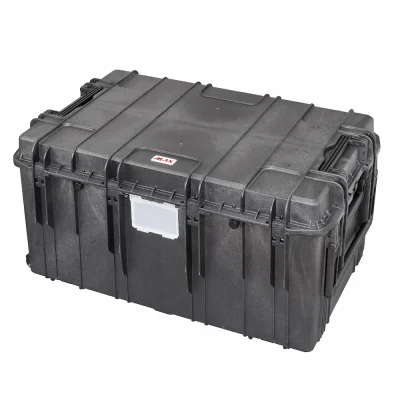 Waterproof Cases
 Mixer Cases & Bags
 Speaker Bags
 TV & Display Bags
 Pedal Bags


 Carry-On Luggage
 Checked Luggage
 Duffle Bags
 Air Travel Cases
 Backpacks
 Slings
 Packing Cubes & Pouches
 Travel Accessories
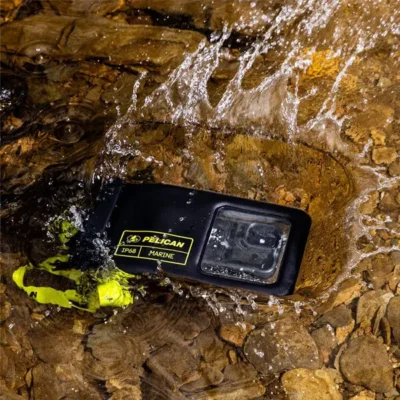 Dry Bags & Phone Pouches
 Hard Coolers
 Soft Coolers
 Pocket Torches
 Full-Size Torches
 Tactical Torches
 Safety Approved Torches
 Headlamps
 Safety Approved Headlamps
 Right Angle Lights
 Lanterns & Work Lights
 Remote Area Lights
 Torch Accessories



, 4 min read
Server Racks: The Comprehensive Guide
A server rack is a metal frame that is used to house and organize computer servers. Server racks are typically found in data centers, but they can also be used in other environments, such as offices and homes.
How do server racks work?
Server racks work by providing a secure and organized way to house and operate computer servers. They typically have locking doors and side panels to protect the equipment inside from unauthorized access, adjustable shelves to accommodate servers of different sizes, ventilated panels to keep the equipment cool, cable management systems to keep the cables organized, and grounding to protect the equipment from electrical surges and interference.
How deep is a server rack?
The depth of a server rack is measured in inches and can vary depending on the size of the rack and the type of equipment it is designed to house. The most common server rack depths are:
- 19 inches
- 23 inches
- 29 inches
- 42 inches
- 48 inches
The depth of the server rack you need will depend on the size of your equipment. For example, if you have a server that is 19 inches deep, you will need a server rack that is at least 19 inches deep. However, it is generally recommended to choose a server rack that is deeper than your equipment so that you have room for cable management and other accessories.
What is a rack unit?
A rack unit, also known as a U or RU, is a unit of measurement used to describe the height of equipment in a server rack. One rack unit is equal to 1.75 inches. The height of a server is typically measured in RUs. For example, a server that is 19 inches tall is 11 RUs tall.
How are server racks measured?
Server racks are typically measured by their height and depth. The height of a server rack is measured in rack units, while the depth of a server rack is measured in inches. For example, a server rack that is 42 RUs tall and 19 inches wide is a 42U 19″ server rack.
How to choose the best server rack for your data center
When choosing a server rack for your data center, it is important to consider the following factors:
- Size: Server racks come in a variety of sizes. Choose a rack that is large enough to accommodate all of your equipment, but not so large that it takes up too much space in your data center.
- Weight capacity: Server racks have a maximum weight capacity. Be sure to choose a rack that can support the weight of all of your equipment.
- Cooling: Server racks come in a variety of cooling options. Choose a rack with the cooling features that are appropriate for your needs.
- Security: Server racks come in a variety of security features. Choose a rack with the security features that are important to you.
- Budget: Server racks can range in price from a few hundred dollars to several thousand dollars. Set a budget before you start shopping so that you can find a rack that meets your needs and your budget.
How much does a server rack cost?
The cost of a server rack varies depending on the size, features, and brand of the rack. However, you can expect to pay anywhere from a few hundred dollars to several thousand dollars for a server rack.
Types of server racks
- Open frame racks: These are simple metal frames that provide easy access and airflow to the equipment, but offer no security or protection from dust and debris. They are suitable for low-density and low-risk environments, such as home offices or small businesses.
- Closed frame racks: These are enclosed cabinets that provide security and protection to the equipment, but require more cooling and power management. They are suitable for high-density and high-risk environments, such as data centers or large enterprises.
- Wall-mount racks: These are racks that can be mounted on a wall to save floor space and provide easy access. They are suitable for small-scale and low-power applications, such as network switches or patch panels.
- Portable racks: These are racks that can be moved around on wheels or casters to provide flexibility and mobility. They are suitable for temporary or remote applications, such as trade shows or disaster recovery.
Features of server racks
Server racks come with a variety of features, including:
- Locking doors and side panels: To protect the equipment inside from unauthorized access.
- Adjustable shelves: To accommodate servers of different sizes.
- Ventilated panels: To keep the equipment cool.
- Cable management systems: To keep the cables organized and out of the way.
- Grounding: To protect the equipment from electrical surges and interference.
- Other features: Some server racks also come with features such as built-in fans, power distribution units, and KVM switches.
Customizations to server racks
Server racks can be customized to meet your specific needs. Some common customizations include:
- Custom shelves: Custom shelves can be made to accommodate servers of any size or shape.
- Custom cable management systems: Custom cable management systems can be made to keep your cables organized and out of the way, even if you have a lot of equipment in your rack.
- Custom security features: Custom security features, such as locks and punter panels, can be added to your server rack to protect your equipment from unauthorized access.
If you are looking for a Custom-made Server Rack Case in Australia Look No further than Giggear Australia.

